Need Boiler Repair or Replacement? Discover Your Best Solution
Are you facing trouble with your boiler? Maybe it’s not heating up as it should or making strange sounds. You’re not alone. Many find themselves in this fix, wondering if a quick repair will do or if it’s time for a full replacement.
This article is here to help guide you through this decision-making process. We’ll look at the pros and cons of repairing versus replacing your boiler, including costs, energy efficiency, and much more.
Here’s how we’ll make things clearer for you. Ready? Let’s get started!
Factors to Consider When Deciding Between Repair or Replacement
The age and condition of your boiler play a big role in your decision. An old boiler, especially one over 10 years old, might need more repairs. This could mean it’s time for a new one.
Consider how much the repair will cost compared to getting a new boiler. If fixing it is expensive and parts are hard to find, replacing it could be better. Think about your home heating needs too.
A new model may heat your house more evenly and give you more hot water than an old one does. Also, check if there are warranties that cover replacement costs or repair work on newer models which could save you money in the long run.
Cost-Effectiveness
Choosing to repair or replace your boiler can affect your wallet. This means, that over time, the savings can cover the initial cost of a new boiler system. For those on a budget, there are flexible payment options available.
Considering both the short-term costs of repair and long-term benefits of replacement helps in making a cost-effective decision. Repairing an old appliance might seem cheaper now but replacing it with a more efficient model could reduce your heating bills significantly over time.
Energy Efficiency
New models of boilers are much better at saving energy. They can be over 90% efficient. This means they use less gas or oil to heat your water and home, which saves you money. An A-rated boiler could cut your heating bills significantly each year.
Older boilers that are 8-10 years old waste more fuel because they’re not as good at converting it into heat. Upgrading to a high-efficiency model makes your home greener by reducing carbon emissions.
It’s smart for both your wallet and the planet.
Boiler Condition and Reliability
Moving from energy efficiency, the state and dependability of your heating system is very important. Old boilers may struggle with poor water flow, take ages to warm up, and make odd sounds.
These issues hint at wear and tear that can compromise your boiler’s reliability. Common problems like frozen water pipes or wrong thermostat adjustments also impact how well your unit operates.
Keeping an eye on the health of your gas heater is essential for a smooth-running central heating system. Regular checks help catch early signs of trouble, preventing costly breakdowns.
If parts become hard to find or if the warranty has run out, fixing it might not be worth it. This is where deciding between patching up or getting a new model becomes key.
Environmental Impact
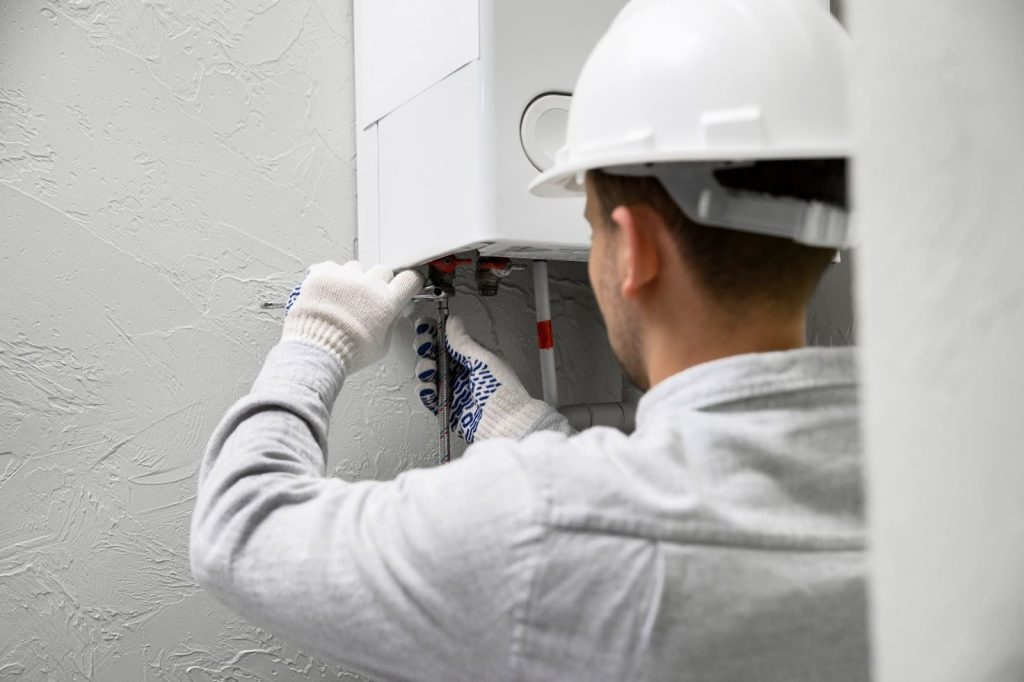
Upgrading to an A-rated condensing boiler cuts CO2 emissions. This change is good for our planet. Old G-rated gas boilers are less friendly to the environment. They release more carbon dioxide than newer models.
By switching, you help reduce harmful gases in the air.
Choosing a new boiler also saves up to 30% on heating bills, according to the Energy Saving Trust. Less energy used means fewer fossil fuels burned. This action fights climate change and protects nature for future generations.
Frequent Breakdowns
Boilers breaking down often can be a big headache. If your boiler stops working a lot, it might mean it’s time to think about getting a new one. This is because fixing an old one many times can end up costing more than buying a new one.
Boilers that break down often also make your home less comfy and can hike up your energy bills.
The cost and hassle of frequent repairs add up fast. Each breakdown means calling out an engineer, waiting for parts like thermostats or heat exchangers, and dealing with cold showers or chilly rooms until it’s fixed.
Plus, if parts are hard to find because the boiler is old, you could be waiting even longer for repairs. Looking at these issues will help you decide if replacing your boiler is the smarter choice to save money and stress in the long run.
Limited Lifespan
Boilers have a limited lifespan, typically around 10-15 years. After this time, they tend to become less efficient and more prone to breakdowns. Upgrading to a new, energy-efficient boiler not only saves money in the long run but also reduces environmental impact.
According to the Energy Saving Trust, upgrading can save up to £305 per year on energy bills, making it a cost-effective choice for homeowners.
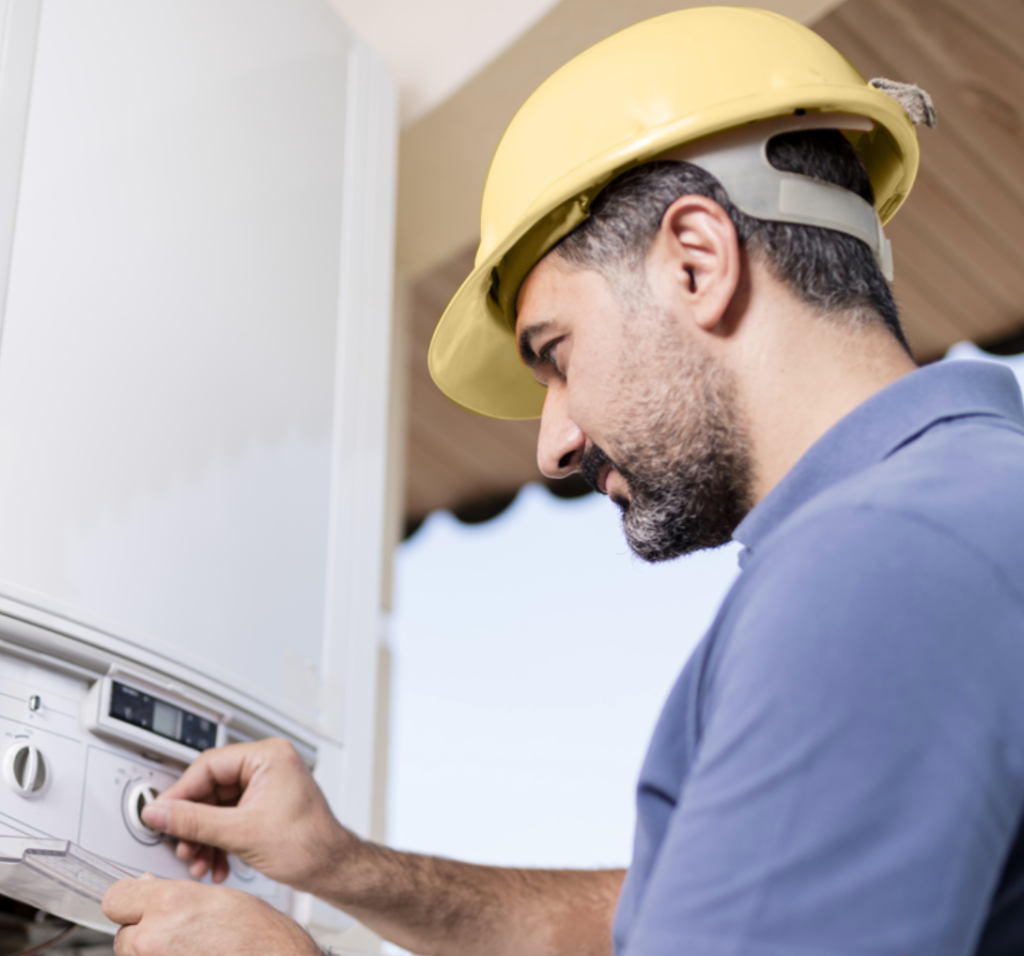
Outdated Technology and Features
As boilers age, they may become outdated and less efficient due to advancements in technology. Boilers with outdated features could lead to higher energy consumption and increased repair costs.
In contrast, modern boilers come with advanced technology, such as smart thermostats and energy-efficient components, which can significantly improve energy savings and overall performance.
Upgrading to a newer boiler model will not only enhance efficiency but also provide access to the latest safety features that prioritise environmental sustainability. Homeowners need to consider these factors when deciding between repairing or replacing their outdated boilers.
By considering the transition from “- Limited lifespan” to “- Outdated technology and features”, it is evident that ageing boilers are prone to becoming technologically obsolete over time, impacting efficiency and increasing maintenance costs.
As stated in the important facts section, newer high-efficiency models exceed 90% efficiency compared to older ones, potentially saving hundreds of pounds yearly through reduced energy consumption.
Benefits of Boiler Replacement
Boiler replacement offers greater energy savings and improved reliability.
Energy Savings
Upgrading to an energy-efficient boiler can save you up to £305 per year, as calculated by the Energy Saving Trust. A new A-rated condensing boiler could lead to significant savings on fuel costs annually, especially if your current boiler is over 8-10 years old and less efficient.
Making this change not only helps in cutting down maintenance expenses but also contributes towards environmental conservation through reduced fuel consumption.
By switching from an older G-rated gas boiler to a modern A-rated one, homeowners in detached houses can potentially save around £305 each year. These energy savings are good reasons for considering a replacement rather than repairing an ageing and inefficient boiler.
Enhanced Reliability and Performance
When it comes to enhancing the reliability and performance of your boiler, upgrading to a new A-rated boiler can result in significant energy savings. Newer high-efficiency boilers offer enhanced reliability and performance compared to older models, potentially saving you hundreds of pounds each year.
Not only will a new boiler provide more reliable heating and hot water, but it will also contribute to improved safety with reduced risk of carbon monoxide emission.
Investing in a newer, high-efficiency boiler not only enhances its reliability and performance but also contributes towards environmental benefits by reducing carbon emissions. Additionally, newer boilers come with warranties that cover parts availability for added peace of mind.
This ensures that you have access to any necessary repairs or replacements without extra costs if anything unexpected goes wrong. Taking these factors into account makes replacing your outdated boiler a cost-effective solution for long-term reliability and optimal performance.
Safety Considerations
Upgrading to a new, energy-efficient boiler can significantly improve home safety. New boilers come with advanced safety features and reduced risk of potential hazards compared to older models.
The shift towards modern and efficient boilers is designed to enhance home safety and reduce potential risks associated with outdated or inefficient heating systems. These upgrades bring benefits such as improved reliability and performance while actively reducing safety concerns in households.
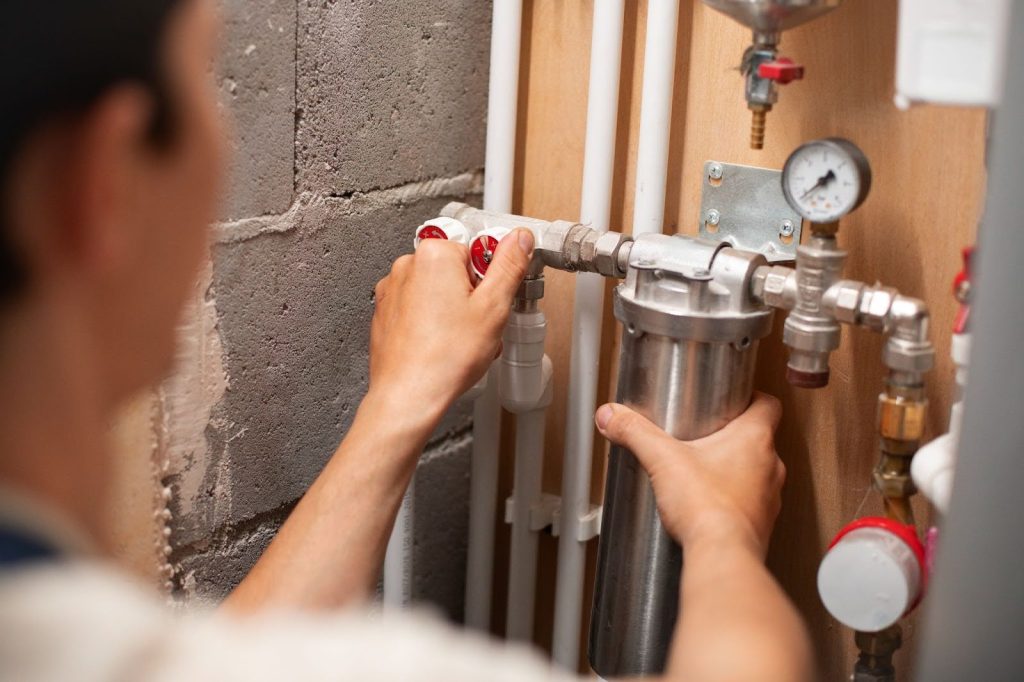
Environmental Benefits
Boiler replacement with energy-efficient models reduces carbon emissions, benefitting the environment. Upgrading to an A-rated boiler can save up to £305 per year on energy bills, contributing to a greener world.
Modern boilers are more precise in heating and hot water, further reducing energy consumption. These environmental benefits make switching to a new boiler a sustainable choice for homeowners looking to reduce their carbon footprint.

Age and Condition of the Boiler
Boiler age and condition play a crucial role in determining whether to repair or replace it. Older boilers are less efficient, more prone to breakdowns, and may lead to higher energy bills.
Ageing boilers also pose safety risks due to wear and tear, potentially leading to leaks or pressure issues. The condition of the boiler directly impacts its performance and reliability, influencing the decision between repair and replacement.
Moving on from considering the age and condition of your boiler—Factors to consider when deciding between repair or replacement should also include cost-effectiveness, energy efficiency, environmental impact, alongside heating needs.
Efficiency of the Current Boiler
The efficiency of your current boiler depends on its age and energy rating. A-rated boilers, for instance, can achieve over 90% efficiency which translates to significant fuel cost savings annually.
Therefore, assessing the age and energy performance of your boiler is crucial in determining whether a repair or replacement would be more cost-effective in the long run. It’s essential to weigh the potential savings from improved efficiency against the costs associated with both options.
Moving on to “Heating and hot water needs”…
Heating and Hot Water Needs
When considering heating and hot water needs, it is crucial to evaluate your current usage and any potential changes. Take into account factors such as the size of your property, the number of occupants, and any plans for expansion or renovation that may alter your heating requirements.
Additionally, consider if you require on-demand hot water or if a storage tank adequately meets your needs. Looking at these aspects helps in determining if a boiler repair or replacement would best suit your evolving household demands.
Cost of Repair vs. Replacement
When deciding between repairing or replacing a boiler, consider the cost-effectiveness of each option. Repairs are generally less expensive than replacements in the short term, but upgrading to a new, energy-efficient boiler can lead to long-term savings on heating bills.
Conclusion
Upgrade to an energy-efficient boiler for significant savings and enhanced performance.
Stress the importance of this decision in improving energy usage and comfort. Explore further guidance for tailored boiler solutions. End on a motivational note about taking action towards a more efficient home heating system!
FREQUENTLY ASKED QUESTIONS
From providing boiler repairs, new boilers and expert servicing, Launch Mechanical ensures that you receive quality service and guidance tailored to your requirements. Whether it’s a minor repair or a complete replacement, trust Launch Mechanical to help you find the best option for your home heating system.
Both choices have pros and cons, and making the right decision depends on various factors unique to your situation.
Launch Mechanical explores the key considerations to help you determine whether boiler repair or replacement is the best option for your home.